

 Menu
Menu

If you live or run a business in Texas, you already know how quickly blowing dust can take over your outdoor spaces. One moment, your patio looks inviting. The next, it’s covered in dirt, grit and debris. Although dust storms are a common occurrence in many parts of the state, they don’t have to disrupt your day. You can protect your outdoor living spaces from dust, reduce cleanup time and keep your favorite areas usable year-round with the right strategies.
Learn more about how dust storms can affect outdoor areas, what you can do before and after a storm, and long-term solutions that can minimize their impact.
How Texas Dust Storms Impact Outdoor Spaces
Dust storms usually occur when strong winds pick up loose dirt and carry it across long distances. In Texas, drought periods, dry soil and open farmland make these storms more intense. They can affect your outdoor spaces in the following ways:
- Heavy dust buildup: The most obvious effect is the layer of dust that settles on every surface outdoors. This buildup can be especially inconvenient for businesses with outdoor dining areas or waiting spaces. Dirty tables and seating can turn customers away, and constant cleaning takes employees’ focus from other tasks.
- Damage to furniture and finishes: The dust that settles on outdoor furniture, siding, and floors often contains sand and mineral fragments. As wind pushes dust across these surfaces, the particles leave tiny scratches that eventually wear down wood finishes, dull metal or stone finishes, and discolor the fabric on furniture.
- HVAC system damage: Your HVAC system can handle normal outdoor conditions, but dust storms can get a bit extreme. The debris carried by the winds can clog your AC filters, block vents and settle deep within the unit, restricting airflow and affecting efficiency.
- Fast spread indoors: Dust can find its way inside your home or business through windows, small gaps or sliding door tracks, leaving a mess and affecting indoor air quality.
Apart from the effects on your property, dust storms can have serious health impacts. When dust blows onto your patio or porch, it lingers in the air, potentially causing breathing problems or aggravating allergy symptoms for people with existing conditions.
How to Protect Your Outdoor Living Spaces From Dust Storms
The best way to protect patios, decks and other outdoor living spaces is to take action before a storm arrives. Being proactive can save time, prevent damage and keep your outdoor space in better condition.

1. Install Premium Patio Screens
Installing screens is one of the best steps you can take for dust storm prevention at your home or business. Look for high-quality enclosures for outdoor spaces like patios, decks and porches. You can also enclose your patio with wind screens to create a protective barrier that reduces dust transfer while allowing airflow and light.
A few of your options include:
- Motorized patio screens: Open them when the weather is nice and close them during storms. They provide excellent control for both homes and commercial spaces.
- Heavy-duty mesh screens: These allow visibility and ventilation but block fine particles more effectively than standard screens.
- Clear vinyl panels: These are ideal for businesses that want visibility and complete protection during storms.
Premium screens are one of the most effective ways to keep dust out of your patio space and reduce cleaning time. Many Texas homeowners and business owners install them because they provide protection year-round, not just during dust storms.
2. Seal Doors and Windows
Dust slips through the smallest openings, so ensure your doors and windows are tightly sealed to prevent the particles from entering your space. Adding simple weather stripping or using caulk to seal gaps can make a noticeable difference.
3. Choose Dust-Resistant Furniture and Materials
Some materials hold up better against dust than others. For example, textured surfaces and furniture made from wicker tend to trap dust, making them harder to clean. On the other hand, powder-coated metal, treated wood and smooth stone surfaces resist buildup. You can also cover your outdoor furniture before a storm, or choose outdoor cushions with removable, washable covers, to make cleaning easier.
4. Move Loose Items Indoors
If a storm is approaching, move lightweight decor, soft cushions or small furniture indoors. This is the best way to keep items clean and prevent damage from blowing particles.
5. Clean the Space Before the Storm
It may sound counterintuitive, but a clean patio holds up better during a storm. Dust sticks to dust. If your space is already dirty, the new dust will settle more heavily. A quick sweep or wipe creates a cleaner base and reduces the amount of dust that accumulates.
6. Add Landscaping That Reduces Dust
Plants act as natural windbreaks. Shrubs, hedges and dense greenery will slow down the wind and reduce the amount of dust that reaches your outdoor living spaces. For businesses, adding planters or landscaping barriers can create a more pleasant outdoor environment and practical dust protection.
What to Do After a Dust Storm
Even with good prevention, most outdoor spaces need some attention after a dust storm. A simple cleaning routine can quickly restore comfort. Here are a few steps you can take:
- Start with dry dusting or vacuuming: Do not spray water right away. Wet dust turns into mud and spreads. Use a blower, broom or dry cloth to remove loose dust first. Once loose particles are gone, use mild soap and warm water to wipe surfaces. This method will pick up the remaining dust without damaging finishes.
- Clean fabrics and cushions: Shake off dust outdoors, then wash fabric covers according to their care instructions. For business owners, keeping spare cushion covers can help reduce downtime.
- Check outdoor appliances: Dust storms often clog filters, vents and fans. Clean or replace filters and remove any debris from outdoor AC units to keep everything running smoothly.
- Inspect screens and seals: If you use patio screens, check them for dust buildup and rinse them if necessary. Inspect the seals on doors and windows to ensure they held up during the storm.

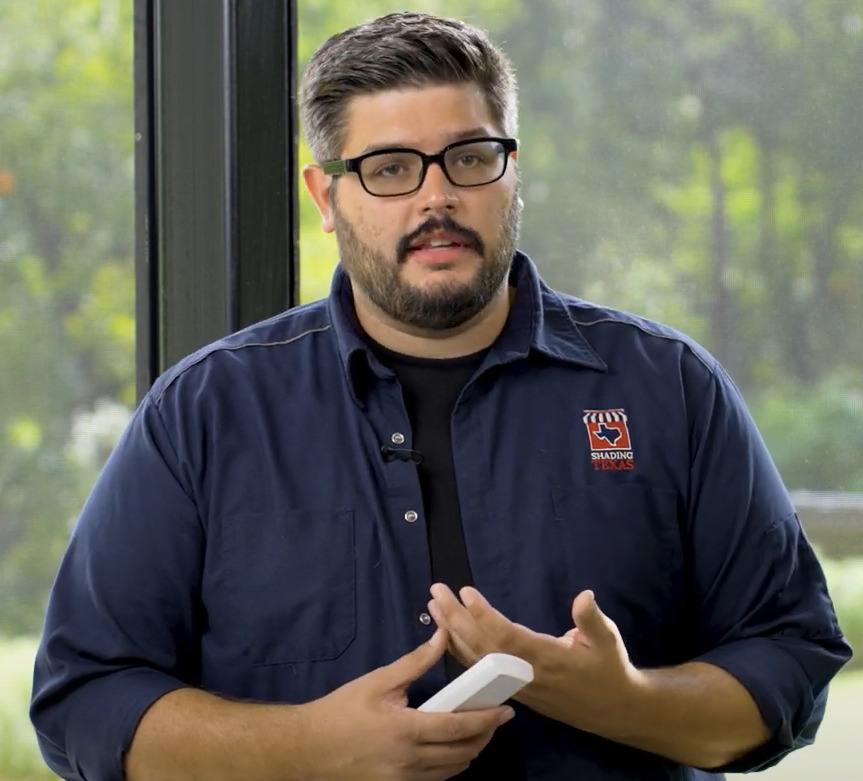
Matt Pierce has been working in the solar shade industry for over 15 years, providing sun protection in the extremes of Alaska and Texas. His dedicated team at Shading Texas will get your the sun solutions you need to enjoy your patios and homes for years to come by blocking out bugs, sun, wind, and rain!