

 Menu
Menu
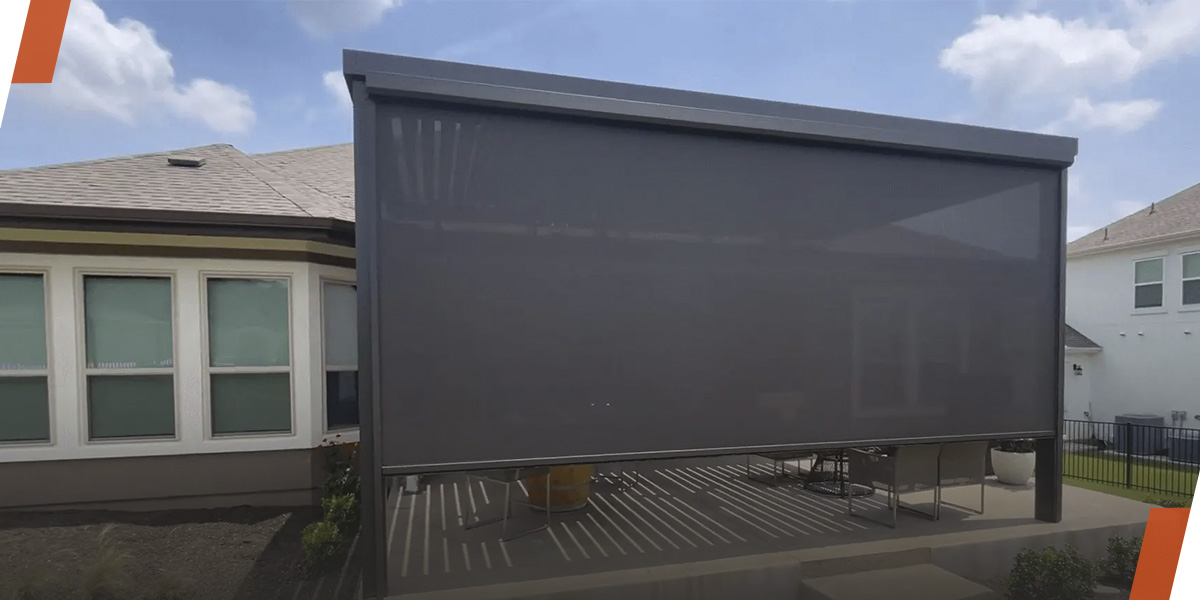
For luxury homeowners in Central Texas, an outdoor space is an extension of refined living, demanding solutions that excel in aesthetics and performance. Choosing the best material for patio screens is an investment in durability, comfort and visual appeal that will be the backdrop for many quiet mornings and elegant evenings.
This guide provides a clear comparison of the three leading high-end patio screen materials — fiberglass, vinyl and polyester. Discover which material offers the best durability and view, so you can select the ideal screen for your home’s aesthetic and lifestyle.
Factors to Consider When Comparing Patio Screen Materials
The material of your patio screen dictates everything from UV protection and insect deterrence to long-term stability and how well it maintains its appearance. For a luxury home, the material directly impacts comfort, energy efficiency and visual flow of your property. Before comparing materials, let’s establish the criteria that define a high-end screening product.
While evaluating materials for your patio screens, keep the following four factors in mind:
- Durability and longevity: Premium screens must withstand the demanding Texas climate without deteriorating. They should effectively resist tears from high winds, sagging from heat and humidity, and damage from pets and pests.
- View and airflow: The best materials offer excellent visual clarity and optimal airflow, and don’t obstruct your view or reduce natural light.
- Maintenance and cleaning: High-end screens are designed to be low-maintenance, resisting the accumulation of dust, pollen and mildew.
- Aesthetic and curb appeal: Color options, texture and the way the screen holds its tension all contribute to a polished look that aligns with a high-end aesthetic.
Fiberglass Patio Screens — The Stable Classic
Fiberglass has long been a trusted material for high-performance screening, known for its excellent balance of strength, stability and optical clarity. Woven from glass fibers and coated with a protective vinyl layer, it offers a balanced blend of performance and value.
Pros:
- Exceptional durability: Highly resistant to denting, creasing and unraveling. It does not stretch or sag, maintaining tautness for years.
- Clear visibility: Finely woven mesh ensures excellent outward visibility, preserving your connection to the outdoors.
- UV protection: Effectively blocks harmful UV rays and reduces solar heat gain, contributing to a cooler patio.
- Weather and pest resistance: Resists corrosion and staining, and effectively deters insects.
- Fire-retardant: Inherently noncombustible.
Cons:
- Limited color options: Primarily available in charcoal or gray.
- Potential to become brittle over time: Can deteriorate after many years in extreme conditions.
Fiberglass is ideal for homeowners who prioritize clear views, reliable performance, and a robust screen that resists stretching and sagging in demanding climates.
Vinyl Patio Screens — Heavy-Duty and Versatile
Vinyl screens, commonly in the form of vinyl-coated polyester, deliver superior strength, enhanced privacy and exceptional weather resistance. This material, often the basis for high-end solar screens and pet-resistant products, features a strong polyester core coated in a thick, flexible layer of vinyl.
Pros:
- Superior strength: Extremely tough and highly resistant to tearing, punctures and stretching, making it excellent for high-wind areas.
- All-weather performance: Resists moisture and corrosion, providing enduring performance in harsh weather conditions.
- Enhanced privacy and solar control: Thicker strands provide greater opacity for increased privacy and superior solar heat blocking, reducing glare and patio temperatures.

- Easy maintenance: Smooth surface allows for easy cleaning.
- Variety: Available in various weave densities to balance visibility, privacy and solar protection.
Cons:
- Reduced visibility: Tighter weaves, while offering privacy, can slightly diminish outward clarity compared to finer meshes.
- Slightly less airflow: Denser construction may restrict airflow more than open mesh options.
- Heavier: Generally heavier, which is a consideration for very large systems.
Vinyl screens are best suited when maximum protection, substantial privacy and significant solar heat reduction are paramount, especially in challenging environmental conditions.
Polyester Patio Screens — Style and Efficiency
Polyester screens, particularly high-performance variants such as vinyl-coated varieties, are valued for their strength, elasticity and design versatility. This material often excels in advanced solar applications for light and heat management.
Pros:
- High strength and elasticity: Strong fibers resist tearing and stretching, making polyester suitable for retractable systems.
- Excellent solar performance: Advanced weaves and coatings provide superior solar heat reduction and UV protection, enhancing energy efficiency.
- Design versatility: Available in a wide array of colors, textures and weave patterns for aesthetic integration.
- Resistant: Treated screens resist mildew and fading.
Cons:
- Potential for bagging: Some polyester types may stretch over time, resulting in a baggy appearance.
- Reduced airflow: Denser weaves designed for superior solar performance can sometimes restrict natural airflow, potentially reducing ventilation.
While polyester offers versatility, it’s crucial to select high-quality options and consider its long-term stability, particularly in terms of potential stretching.
Comparing Patio Screen Fiberglass vs. Vinyl vs. Polyester
The table below provides a side-by-side comparison of the three materials. Remember that premium vinyl and polyester patio screens typically combine the two, resulting in a product that offers the best qualities of both materials.
| Fiberglass | Vinyl | Polyester | |
| Durability | Excellent. It is stable and impact-resistant. | Superior. It is highly tear- and puncture-resistant. | High strength. Some types are prone to stretching and bagging over time. |
| Visibility | Very good, offering clear views. | Good, with slightly reduced clarity for privacy. | Good, as it can provide clear views. |
| Solar protection | Good UV and heat reduction. | Excellent, with significant heat and glare blockage. | Excellent, providing superior solar and UV protection. |
| Privacy | Standard. | High. | Variable, depending on the weave. |
| Aesthetics | Limited colors. | Varied opacity and texture. | Wide range of colors and patterns. |
| Maintenance | Low — resistant. | Low — easy to clean. | Moderate — specific cleaning may be needed. |
| Best use | Clear views, stability, general protection. | Maximum protection, privacy, heat reduction. | Aesthetic versatility, energy efficiency (with careful material selection). |
Which Screen Material Is Best for Your Texas Home?
Ultimately, the best material for your home depends on your priorities for your outdoor space.
Use the following examples to help you decide:
- For the clearest view: If your home overlooks a golf course, lake or pristine landscape, maximizing that view is paramount. A high-grade fiberglass screen generally offers the finest weave and the highest level of transparency, creating a nearly invisible barrier.
- For maximum durability and resistance: For households with active pets, young children or patios exposed to high winds, there is no substitute for vinyl-coated polyester. Its exceptional strength and tear resistance ensure your investment is protected for years to come.
- For superior sun protection: If your patio receives intense afternoon sun, a solar screen made from vinyl-coated polyester is the ideal solution. It can block a significant amount of solar heat and UV rays, keeping your space cooler, reducing glare and protecting your outdoor furniture from fading.
Consult Shading Texas for Customized Patio Screen Solutions

Still struggling to decide between fiberglass and vinyl patio screens? Each option offers distinct advantages in terms of durability, performance and aesthetic integration. The experienced team at Shading Texas understands the nuances of each screen material. We can help you choose the best patio screen material for the Central Texas climate, ensuring your long-term comfort.
Contact our screen experts today and unlock superior durability, comfort and curb appeal on your patio.
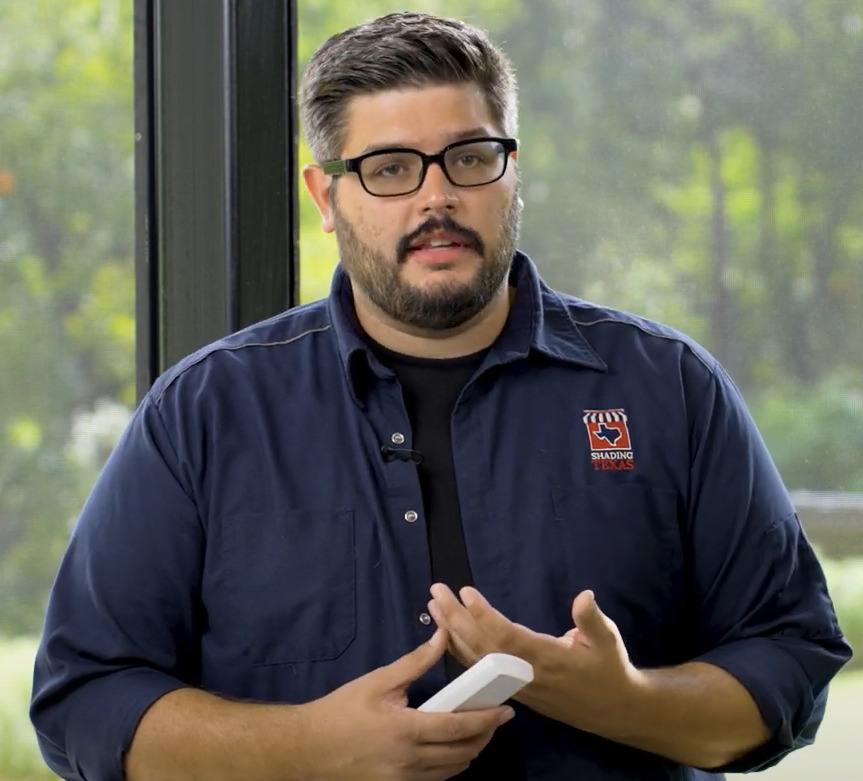
Matt Pierce has been working in the solar shade industry for over 15 years, providing sun protection in the extremes of Alaska and Texas. His dedicated team at Shading Texas will get your the sun solutions you need to enjoy your patios and homes for years to come by blocking out bugs, sun, wind, and rain!